
23 July 2026 · Medows · Alapan Mondal · Founder, Medows
AI fixed the clinical note. Not the ward round.
Ambient AI scribes cut documentation time and burnout, and that is real. But the note was never the hard part of a shift. The ward round is the frontier.
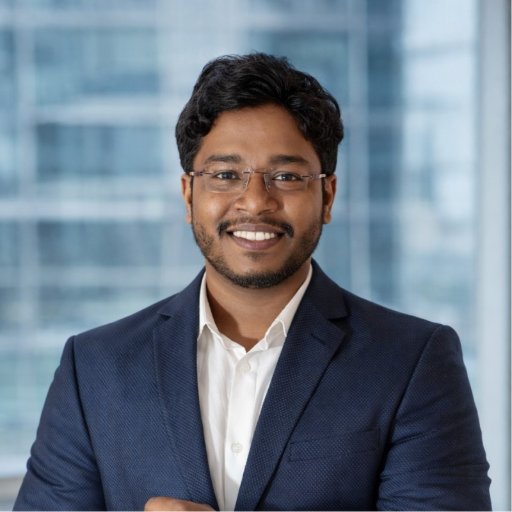
Alapan Mondal, B.Tech, M.Tech, IIT BBS
Founder, Medows
Something genuinely good happened in medicine this year, and it deserves to be said plainly: ambient AI scribes work.
For years a doctor's evening ended with a second shift of typing. The scribe took that away. A 2025 study in JAMA Network Open found clinicians using ambient AI spent roughly 8.5% less total time in the EHR and over 15% less time composing notes. At Mass General Brigham, ambient scribe technology was associated with burnout falling from 52.6% to 30.7%, a 21-point drop. Those are not marketing numbers. Giving a doctor back the note is a real gift, and the teams that did it earned it.
So this is not a piece about how the scribe failed. It is about what it never touched.
The note was never the hard part
Ask any doctor what makes a shift heavy, and almost none of them will say "writing the note." The note is annoying, but it is the exhaust, not the engine. The hard part is everything that happens before the note exists.
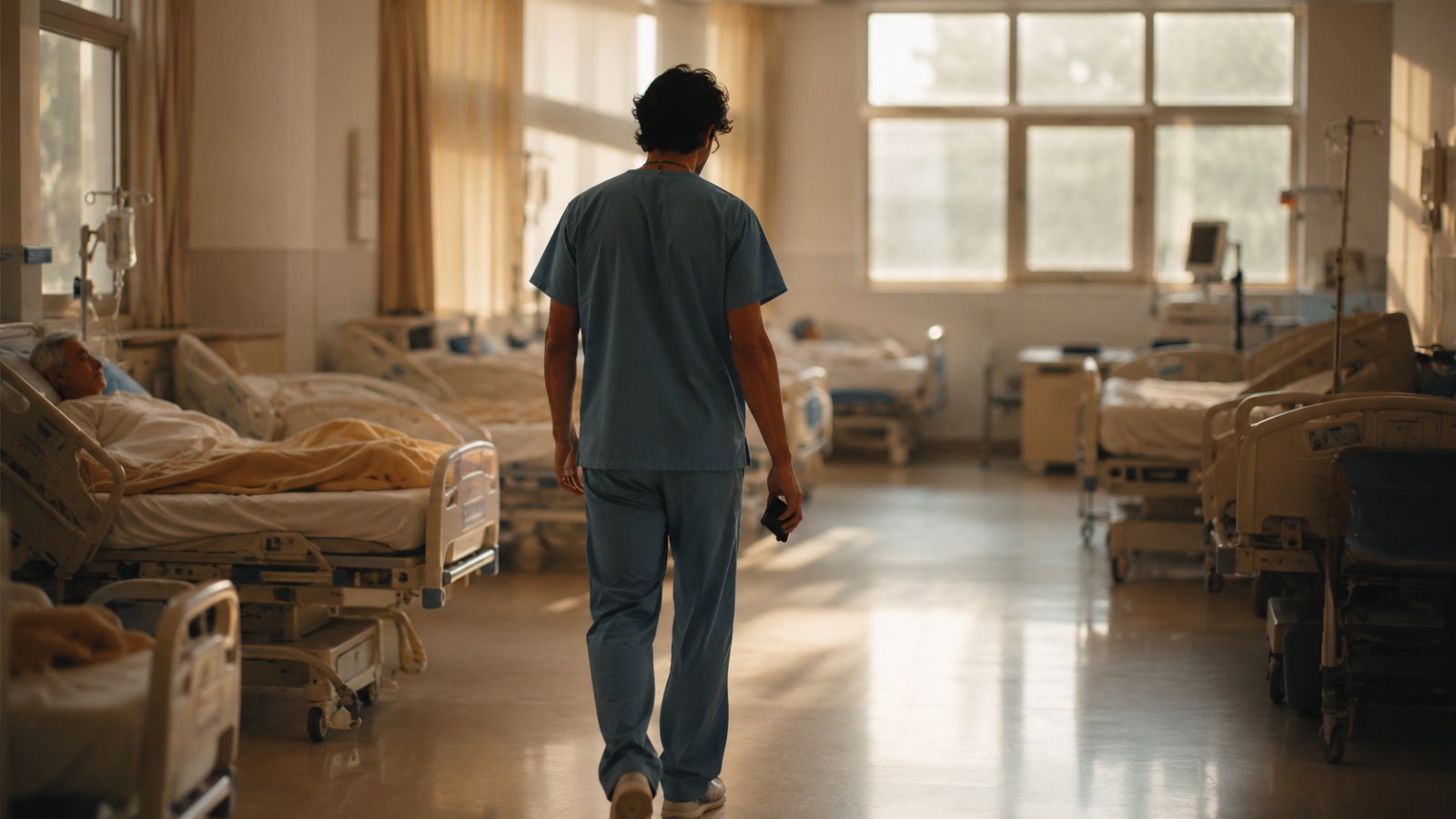
On a busy take, one doctor is holding thirty patients in their head. Who is drifting. Whose potassium came back. Who has a pending scan nobody has chased. What the night team needs to know in eleven minutes. That is the actual work of a round: not documenting decisions, but making forty of them an hour with half the information you want and none of the time.
A scribe cannot help with that, and it was never built to. It listens to one consultation and drafts one note. It does not know the patient in the next bed. It does not hold your list. When you walk out of the room, it forgets there was a ward.
The uneven part nobody puts in the headline
There is a quieter finding under the good news. The time savings are not consistent. One evaluation clocked about 23 seconds saved per encounter. Another, from the same period, found no measurable improvement at all. And the newer scrutiny of scribes is not about speed but about trust: notes that read perfectly while quietly inventing a detail, dropping a critical one, or attributing something to the wrong speaker.
That gap tells you where the ceiling is. A tool that summarizes one conversation can get faster and cleaner, but it will always be solving the slice of the job that happens after the thinking is done. The larger part, the part that actually breaks doctors, is untouched.
The next frontier is the round, not the note
If the last five years of clinical AI were about the note, the next five are about the round.
That is a different kind of product. Not a better listener, but a workspace: something that holds the whole list, watches the numbers that change, surfaces the patient who is drifting before you reach the bed, and carries context to the next doctor instead of letting it die in someone's memory. Something that is with you across the shift, not for a single encounter.
And here is the constraint that decides whether doctors will ever trust it there: it has to show its work. The scribe scrutiny is a preview of the argument coming for all clinical AI. A note you cannot verify is a liability. An answer on a ward at 2am that you cannot trace back to the actual patient is worse than no answer. Whatever comes next for the round has to be inspectable by default, or it does not belong at the bedside.
Where this leaves us
The scribe deserves its win. It solved a real problem and gave a lot of tired people their evenings back. But it also drew a clear line around what "clinical AI" has meant so far: help with the paperwork, after the decision.
The harder and more useful thing is help with the decision itself, across the whole shift, in a way you can check. That is the part of the doctor's day AI has barely walked into. It is the part worth building for.
This is the thesis behind what we are building at Medows. More in Why Medows Is the First AI Clinical Workspace and Why Doctors Need a Workspace of Their Own.
Author
Alapan Mondal, B.Tech, M.Tech, IIT BBS
Founder, Medows
Founder of Medows. Building doctor-side AI workspaces.
Medows is a clinical AI workspace for the doctor on rounds. Learn more or write to alapan@medows.ai / alapanx@gmail.com.